

Fair Trade Arabica Coffee Beans
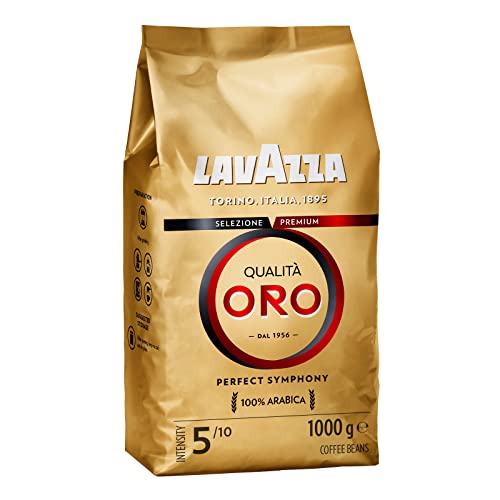
Fair trade certified coffee is a favorite choice among consumers who want to support ethical and sustainable businesses. It can be found in natural food shops as well as specialty coffee shops, and even some big-box supermarkets.
The fair trade model aims to give farmers a stable price that is sufficient to cover their average production costs, and provides farmers with additional funds to investments in projects to improve quality and adapt to climate change.
Benefits
Fair trade standards can aid farmers and their families to build a better future for their families. They ensure that the coffee is produced ethically and has a positive impact on the environment and communities that produce it. Fair trade helps in the development of long-term relationships between producers and roasters. These partnerships encourage sustainable growth and infrastructure for communities. These partnerships offer producers with a platform to showcase their distinctive flavor and regional variations as well as a wider choice of choices for consumers.
You can be confident that fair trade pays farmers at minimum twice the market price for their coffee. This is the Fairtrade Minimum Price, which reflects the cost for their sustainable methods of production. Fair trade coffee farmers also receive an Fairtrade premium that they can use to invest in projects that are driven by the community. These investments can improve local economies, increase productivity and allow access to new markets.
Furthermore, fair trade promotes sustainable farming practices that help to increase biodiversity and preserve the natural environment. This includes shade-grown coffee that conserves wildlife habitats and decreases the use of harmful chemicals. This type of farming safeguards water resources and promotes soil quality. Fair trade coffee beans are believed to have a superior taste by many coffee lovers. This could be due to fair trade certifications that encourage sustainable farming practices.
Fair trade principles are being applied to other goods as well, including cocoa, tea and handicrafts. This growing movement is a powerful factor that is changing consumer attitudes and is transforming industries. As demand for ethically sourced products continues to grow more companies are embracing fair trade principles and making fair trade an integral part of their business model.
You can be a positive influence as a conscientious buyer by purchasing fair arabica beans that are traded fair. It's not just an act of the environment and social justice, but can be a clear signal to other companies that you value transparency in your supply chain.
Origins
Millions of people around the world enjoy coffee beans on a regular basis. Its popularity is due to its numerous health benefits and its rich taste. The search for high quality coffee beans has become a major concern for many consumers. Additionally, a desire to contribute to social responsibility in the global market has led some buyers to seek out fair trade coffee. Fair trade's purpose is to promote economic justice and environmental stewardship. This often translates to better-tasting coffee.
Fair trade is a type of trade agreement which sets minimum prices for products, provides transparency throughout the supply chain, and encourages sustainable development. It also aims to empower producers as well as ensure decent wages for workers. The movement has grown beyond coffee to include sugar, chocolate, tea and bananas. The certification system is controlled by Fair Trade Labeling Organizations International (FLO-International). FLO-International is a group of fair trade associations from all over the world, has joined forces with many other national initiatives to coordinate efforts and create standards.
Coffee is believed to have originated in Ethiopia where it has been extensively cultivated by indigenous tribes. According to a legend, a goatherd named Kaldi discovered the plant after he noticed the energy-boosting effects of eating dried fruit. The plant's popularity grew rapidly across the globe.
Despite authentic arabica coffee beans , the coffee plant remains difficult to grow. In order to produce the most delicious coffee, it needs the right climate and soil type as well as cultivation methods. The brewing process may also affect the flavor.
Due to these limitations, the growth is susceptible to problems. In the event of bad weather, pests and other conditions, it can affect the yield of coffee beans. Price fluctuations can result in farmers losing their livelihoods. Additionally the harvesting of coffee is a labor-intensive occupation that typically requires large amounts of manual work.
In response to these issues In response to these issues, fair trade has established minimum prices for coffee, and also guarantees that a percentage of profits will be returned to the local community. The movement was initiated by the hardships faced by coffee farmers in the developing world after the collapse of world prices in the late 1980s.
Taste
Arabica coffee beans are adored by many gourmet and specialty coffee enthusiasts all over the world. Single-origin coffees that showcase the characteristics and flavors of a particular region or country are available. They are also available in blends that offer various tastes that appeal to all taste senses. The taste of arabica coffee is delicate, complex and sophisticated. It is also free of bitterness, which is a characteristic of Robusta plants. The caffeine content of arabica coffee is lower than that of other coffee varieties.
Fair trade arabica coffee is grown without the use of chemical pesticides or fertilizers which is an advantage for those concerned about chemicals that enter their bodies through ingestion. Furthermore an arabica fair trade coffee plant is usually organically certified, adding another level of satisfaction to those who are avid coffee drinkers and would like a natural delicious tasting arabica.
Fair trade seeks to reduce the gap in the coffee supply chain by ensuring fair prices and responsible working practices. Small-scale coffee farmers are provided with the security of a guaranteed income to help their families and communities, and it helps reduce the necessity for child labor on coffee farms.
The fair trade arabica bean is popular among gourmet and specialty roasters from all over the world because of its unique, high-quality flavor. The search for these arabica coffee beans has been an agent of changes, showing how consumers are adamant about equality and sustainable sources. Fair trade is a fantastic method to promote these values because it lets consumers make a difference by drinking every cup of coffee.
Fair trade arabica farmers receive a fair-trade minimum price and a premium that is invested by farmer organizations in the community. This money is used for initiatives that improve farming practices and adapt to changes in the climate, and provide basic community services. The premium is crucial to keep the next generation of coffee farmers working in their fields.
Health
Fair trade coffee beans aid to improve the quality of life for farmers as well as their communities. This is accomplished by strict standards, including the guarantee of a minimum price and community development funds. The standard also promotes sustainable farming methods that are based upon ecological principles and respect of the environment. This is in contrast to conventionally grown coffee which uses toxic pesticides and harsh chemicals to control the plant's growth. Fair Trade Certified coffee is free of these harmful substances and is a great way to help in the promotion of sustainable agriculture practices.
This empowerment model helps lift farmers out of poverty by allowing families to sell their own produce directly to buyers from abroad. This model provides stable prices, which can reduce the exposure to extreme fluctuations in world markets. It also permits farmers to invest in infrastructure and education. It also supports the switch to organic farming and offers access to credit, which allows farmers to grow more of what is important to them.
Fairtrade farmers also get an increase in community development, and can invest in projects to enhance their lives. These projects include education, environmental stewardship, as well as business development. In the past few decades, more than 400 million euros from the fair trade premium has been invested in these projects.
By promoting fair trade coffee, you will demonstrate that your company cares about the environment and promotes social justice. This is an excellent way to gain customer loyalty by showing that you are in line with the values of your customers.
Additionally, by purchasing fair trade coffee, you will change the lives of 950,000 Fairtrade certified farmers from more than 650 producer groups across 31 countries. By promoting this ethically-sourced beverage it will drive demand, encourage sustainable manufacturing and economic practices and will benefit the farmers, their families and the environment. In the current climate of growing awareness of the importance of equality, social conciousness, and sustainability, this is an ideal method to demonstrate that your brand represents more than just a great cup of coffee.